
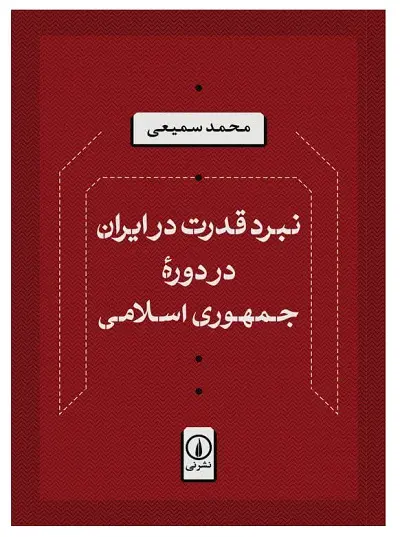
Nabard-i qudrat dar Īrān: chirā va chigūnah rawḥānīyyat barandah shud? Persian 2020
نبرد قدرت در ایران، چرا و چگونه روحانیت برنده شد؟
33.32 $

Share
Wishlist
In 1979, a rebellious storm swept across Iran in a short span of time. The children of modern Iran—who had been immersed day and night in royalism and Western-oriented values—dismantled the monarchy once and for all. Thus, among all Iran’s political forces, from leftists to liberal intellectuals, the mantle of power suddenly fell upon the clergy. But why and how did this happen?
What logic governed the minds of Iranians, and what led them—turning their backs on the symbols of modernization—to prefer an Islamic Republic? Why did Iranian society take a path contrary to secularism, the prevailing global trend? Why, among all the opponents of the Pahlavi regime—among whom were seasoned politicians, prominent experts, and sincere, patriotic activists from both left and right—did the people choose the clergy and the system they proposed? And finally, where is the struggle for power in this land headed?
This book seeks to answer these questions by relying on scientific methods and steering clear of ideological perspectives.
more
در سال 1357 توفانی سرکش در مدت کوتاهی کشور را درنوردید و فرزندان ایران مدرن، که شب و روز در میانشان شاه دوستی و غرب گرایی ترویج شده بود، بساط شاهنشاهی را برای همیشه برچیدند و به این ترتیب، از میان همه ی نیروهای سیاسی ایران، از چپ گرایان گرفته تا روشنفکران لیبرال، همای قدرت به ناگاه بر شانه ی روحانیت نشست؛ اما چرا و چگونه؟ چه منطقی بر اذهان ایرانیان حاکم بود و چه شد که آنان با پشت کردن به مظاهر نوگرایی، «جمهوری اسلامی» را ترجیح دادند؟ چرا جامعه ی ایرانی راهی برخلاف سکولاریسم، موج غالب جهانی، در پیش گرفت؟ چرا مردم ایران از میان همه ی مخالفان رژیم پهلوی، که در میان آنان سیاست مداران کارکشته، متخصصان برجسته و مبارزان با صداقت و وطن پرست از چپ و راست بودند، روحانیان و نظام پیشنهادی آنان را برگزیدند؟ و سرانجام این که نبرد قدرت در این سرزمین به چه سویی خواهد رفت؟ در این کتاب تلاش شده است با تکیه بر روش های علمی و فارغ از نگاه های ایدیولوژیک به این پرسش ها پاسخ داده شود.
more